Saturday, January 31, 2026

rep>>> Breakthru - Adventures Highway (1967-71 uk, fascinating beat psych blues rock with baroque touches)


Breakthru were a powerful live act who never managed to "break through" into the record charts despite a talented and charismatic line-up.

Breakthru never managed to have an album released of their own which was unfortunate as their only record was a solitary single "Ice Cream Tree" that has since appeared on various 1960s compilations. The group were never happy with the single as it was not a good representation of their "sound", and particularly as the song was not composed by the band themselves. 

All the group members were actively involved in song writing with some of this backlog occasionally committed to tape whenever time and money would permit. Now, decades later, the previously un-released recordings they made have been assembled into the one and only Breakthru album titled "Adventures Highway". This collection the band members say, represents how they would like the group to be best remembered.

"Adventures Highway" was assembled from a combination of unreleased-demos, BBC sessions, and surviving recordings from the results of various excursions into the studio by the group between 1967 and 1970. Side one kicks off with the high-energy group-composed Believe It from 1970. You can just imagine the band going all out on this one with its high-energy blues-driven attack. 

Here Comes The End from 1967 is a lot more psychedelic sounding with abundant echo effects but still very powerful. The bluesy cover of Willie Dixon's Spoonful really gives an indication of what Breakthru were all about. Gary Aflalo's blues-harmonica playing on this one is exceptional against a backdrop of thundering hammond organ and distorted guitars. If you really hate your neighbours then this is the one to play loud!

Love Is Strange starts out with some crashing guitars/bass/drums highly reminiscent of The Beatles Rain. This one is supposedly based on the Everly Brother's version of the song and features both Gary Aflalo and Keith Abingdon doing a good job harmonizing on the vocals. 

This is followed by the album's title track Adventures Highway from 1968 and what a number it is too! Menacing hammond organ joined by pounding drums and guitar build into a climax of sheer volume that soon becomes a backdrop for spaced-out lyrics; Oh let's get transmitted, there's no planet that's too far. We'll see Jupiter and Mars, we'll see strange and weird sights on our space bound trip tonight... (make of it what you will).

The melodic and hypnotic I Have A Dream composed by Geoff Garratley, reaches the height of social consciousness to include actual recorded excerpts from Martin Luther King's famous speech. Interestingly, this track was left off the vinyl version of the Breakthru album. Bob Booth's Growing Older is similarly laid-back but does include some wild hammond fingering towards the end. Troubleshoot co-written by Keith Abingdon and Richard Thomas is an excellent psychedelic rampage with lyrics to match. It has some great wah-wah guitar effects similar to what Roy Wood was doing at the time on many of The Move's records. 

We then go right into The Story Of Peer Gynt with its opening riff taken directly from Hall Of The Mountain King (almost seems like a tradition amongst Brum bands to pay tribute to classical music at some time or another). This rocking track was considered for single release at the time but for some reason it never happened. A pity as it would surely have made a good follow up to Ice Cream Tree.

The remaining tracks on the album were recorded in 1970 at London's Piccadilly studios. Although the group were on the verge of splitting by this time, they recorded (ironically) what are regarded as some of their best tracks. Alice Dropped Out from these sessions, would have made a fine single. As one of several Breakthru tracks co-composed by Keith Abingdon and Richard Thomas, this one is a driving blues-rock number with guitars very much at the forefront and the trademark hammond absent. This would have been a powerful one when performed by the band live. 

It is followed on the album by Happiness which shows the band could still be tuneful in a commercial direction when they wanted to. Shake Off That Lead is another such radio-friendly track that bounces along with a catchy keyboard-driven melody.

The final track on the Breakthru album is titled Sailor Song. A wonderfully harmonious partnership of keyboard and guitar, and as the title suggests, the lyrics tell of a seafaring character who would rather spend his life out on the ocean rather than be troubled by the problems experienced by those on land. Maybe it's meant as an expression of ultimate freedom (or freedom of expression) that seems to run through the groups music from start to finish on these collected tracks that make up the Breakthru album.

The Circle Records "Breakthru" album package serves as a fine tribute to one of the West Midlands great performing groups of the late 1960s. Breakthru were one of those bands who were at the leading edge of the pop music revolution at a time when innovation and the growth of new musical ideas was reaching its peak during the 1960s. "Adventures Highway" fulfills a dream they had back then and this time you can join them on their journey. 
Tracks
Disc 1
1. Believe It (Farrell, Abingdon, Aflalo, Thomas) - 3:51
2. Here Comes The End (Aflalo, Abingdon) - 3:06
3. Spoonful (Dixon) - 5:05
4. Love Is Strange (Smith, Robinson, Baker) - 2:55
5. Adventures Highway (Abingdon, Booth, Garratley, Thomas) - 4:10
6. I Have A Dream (Garratley) - 4:35
7. Growing Older (Booth) - 3:43
8. Troubleshoot (Abingdon, Thomas) - 3:01
9. The Story Of Peer Gynt (Farrell) - 2:44
10.Alice Dropped Out (Abingdon, Thomas) - 2:52
11.Happiness (Farrell) - 4:28
12.Shake Off That Lead (Abingdon, Thomas) - 3:33
13.The Sailor Song (Abingdon, Thomas) - 4:32
Disc 2
1. Ice-Cream Tree (Loach) - 2:39
2. Julius Caesar (Thomas) - 2:49
3. Yours (Abingdon, Thomas, Leyland, Booth, Garratley, Aflalo) - 2:50
4. Summertime (Gershwin, Heyward) - 3:26
5. Toyland (Roden, Catchpole) - 2:52

Breakthru 
*Keith (Smoke) Abingdon - Guitar
*Gary Aflalo - Lead Vocal
*Bobby Booth - Bass Guitar (Left in 1968)
*Geoff (Gladys) Garratley - Hammond Organ (Left in 1968)
*Jim Leyland - Drums (Left in 1969)
*Frank Farrell - Bass Guitar (Joined in 1968, Multi-talented Frank played bass for Supertramp and later worked with Leo Sayer co-writing his no1 hit ‘Moonlighting’)
*Richard (Plug) Thomas - Drums (Joined in 1968)
*Bill Hunt - Hammond Organ (Joined In 1969, later joined 1st ELO line up and later Wizzard)

Just Paste
Free Text
Text Host

Thursday, January 29, 2026

Folkal Point - Folkal Point (1973 uk, brilliant ethereal acoustic folk, 2015 reissue)


Since noone else seems to be doing it we continue our examination of overlooked British folk titles, based on the assumption that they some day will be reissued, as they must. Of four such folk obscurities I recently got to hear thanks to the generosity of a fellow country-man the unspeakably rare album by FOLKAL POINT was clearly the best. The LP came out on the hallowed (among less than 50 people) Midas record label, an operation masterminded by the same cunning gentleman that ran the Folk Heritage operation; his Midas £1000 stable also includes the slightly better known Gallery LP and a couple of less rare titles by Janet Jones, one of which I've heard and wasn't impressed by.

Bristol area outfit Folkal Point on the other hand is an obvious delight, with elements likely to attract almost anyone with an ear for gentle rural 1970s sounds with psych overtones. Sweet female vocals is the poison of many a folk fiend and this has an abundance of it, in fact the sounds emitting from Cherie Musialik are gorgeous to a point where I have to cast a wide net to come up with comparisons; but if you can imagine a warm tone halfway between the girl-child charms of Vasthi Bunyan and the lush village-beauty sound of early Mandy Morton, then I guess we're in the right shire. So appealing are these vocals that they become the defining characteristic of the album, and fortunately the Folkals seem to realize this as they play a selection of material that is absolutely right for the asset; haunting minor chord ballads with obvious debts owed to American 60s folk as well as the psychedelic sounds of subsequent years. If you expect a marvy "Scarborough Fair" from this description, you've got it. "Once I Knew A Pretty Girl"? Yes. Both are done in a manner closer to Shide & Acorn than Shirley Collins, with the arrangements displaying a clear bias towards the "rock" rather than "trad" side of the equation. The liner notes refer to the band playing electric on occasion and while this is an acoustic-oriented album, it's easy to imagine it being re-recorded with a full electric setting, the imaginary result recalling the Trees at their best. 

Beginning at the beginning, there is a version of gospel tune "Twelve Gates Into The City", although there isn't much gospel left after Folkal Point have chased it through their enchanted forest. Then there's "Scarborough", which is followed by "Sweet Sir Galahad", whose artfully descending stair of minor chords may crown it my favorite on the whole album. Cherie's vocals are just stunning, it's like if one of those princess girls serenaded by Donovan suddenly started singing back. The hippie folkpsych takes on trad material progresses successfully through "Lovely Joan" before a contemporary note is introduced with "Circle Game" and its clever carousel metaphors. The footstomping US folk boom Pete Seeger sound of "Cookoo's Hollerin'" is less appealing, not because it's bad but because it fails to take advantage of the band's strengths. Luckily, it's the shortest track on the LP. Then there is a Spriguns-like take on "Edom O'Gordon" before the modern theme resurfaces in Tom Paxton's "Victoria Dines Alone", whose theme of female loneliness and depression seems highly poignant in 2003. It's a flawless performance, and likely to be the favorite track of listeners of a less folky persuasion. The Americanisms linger via a charming take on Dylan's "You ain't going nowhere", although it would have been more interesting to hear this one with female vocals -- but I guess the Folkal boys wouldn't settle for just picking guitar on ALL tracks.

Entering the last quarter the LP tightens its grip on the listener again, presenting the unorthodox chord structures and wave-like rhythms of "Anathea" which the liner notes credit to Lydia Wood, although the lyrical content is essentially the same as "Seven Curses" as done by young Bobby Dylan and others. This dark, despairing story is given a matching presentation by the band, opening doors to an eerie "downer folk" cellar not found elsewhere on the album. This is followed by the atmospheric, ensemble-sung "National seven", after which an excellent, folkrock-style take on "Once I Knew A Pretty Girl" closes the book on 40 minutes that are as impressive as anything you can hope to find within the genre. According to UK folk expert Ian at Ammonite, 500 copes were pressed of which half were lost in a flood. Let's hope it gets reissued ere the next millennium.
by Patrick the Lama
Tracks
1. Twelve Gates Into the City - 3:08
2. Scarborough Fair - 4:02
3. Sweet Sir Galahad (Joan Baez) -  3:43
4. Lovely Joan - 2:38
5. Circle Game (Joni Mitchell) - 5:23
6. Cuckoos Hollerin' - 1:46
7. Edom O'Gordon - 2:18
8. Victoria Dines Alone (Tom Paxton) - 4:23
9. You Ain't Going Nowhere (Bob Dylan) - 2:55
10.Anathea (Lydia Wood) - 4:00
11.National Seven (Cherie Musialik, Mark Steed, Paul Cook, Stuart Amesbury) -  2:29
12.Once I Knew a Pretty Girl - 4:03
Songs 1,2,4,6,7,12 are Traditional 

Folkal Point
*Cherie Musialik - Vocals 
*Mark Steed - Guitar
*Paul Cook - Guitar
*Stuart Amesbury - Guitar, Vocals

Wednesday, January 28, 2026

rep>>> Chicago - Live In Toronto (1969 us, wonderful brass jazz rock with psych tinges, japan edition)


Although it may be difficult to believe now, in the late Sixties and early Seventies Chicago were something of a phenomenon. Their debut LP. b'Chicago Transit Authority', was certified platinum in the US, something no other CBS artist had ever achieved, even though the label boasted such names as Bob Dylan and Simon & Garfunkel. Their second, simply titled 'Chicago', repeated the commercial success of their first, and singles from both sold strongly either side of the Atlantic.

As time passed, their music mellowed and interest waned, the critical acclaim turned to critical reviews, and although Chicago continued to record right through the Seventies and Eighties, they have never recaptured the excitement generated by those early releases. All but one of the band's original line-up hailed from the city which gave them their name. Their early days were spent largely unnoticed in the dingy bars and clubs of the Midwest, but a move to the West coast in 1968 proved crucial to their later success.

Here they linked up with James William Guercio, who had established his credentials through production work with Blood, Sweat and Tears. Guercio not only secured the band dates at prestigious West coast venues, he also negotiated their recording contract with CBS. The volatile political scene of the late Sixties provided the other key element of their success. During 1968, protests at America's involvement in Vietnam were at their height, and racial tension was at fever pitch.

Demonstrations outside the Democratic Convention in Chicago turned into full scale riots when police used tear-gas and clubs to disperse the crowds. Recordings of protesters were incorporated into one of the numbers on Chicago's debut LP. and this move, coupled with lyrics informed by the revolutionary rhetoric of the times, completed their identification with both their home town and the counter-culture. Their music had an exciting, innovative feel, and was probably the most successful attempt ever to marry the diverse elements of jazz, rock and white soul.

Its precise brass arrangements blended with lengthy jazz guitar solos appealed to a late Sixties audience constantly searching for a more sophisticated sound. This recording of an early live performance at one of the famed Toronto Rock Festivals provides evidence of the band's ability and power.

On stage, although they obviously sought to reproduce the often complex arrangements arrived at the studio, they were never afraid to cut loose and explore the possibilities of the'jazzier side of their music. Faithful renditions of their hit singles '25 Or 6 To 4', 'Does Anybody Really Know What Time It Is? and the Steve Winwood penned 'I'm A Man' contrast with the looser improvisational approach employed on 'Liberation', the number which closes the set.

The shifting textures of this lengthy instrumental are epitomised by Terry Kath's exhilarating guitar - a key component of Chicago's characteristic sound and one sadly lost forever with his death in a firearms accident in 1978. Anyone with a taste for Chicago's early work will welcome this opportunity to hear the band run through these blistering versions of their best-loved numbers. Their unqiue blend of widely differing musical styles set apart from almost everyone around them - in their own distinctive way, Chicago were themselves a minor revolution.
by Alan Kinsman
Tracks
1. Beginnings - 6.20
2. South California Purples - 5.45
3. 25 Or 6 To 4 - 5.04
4. Does Anybody Know What Time It Is - 3.05
5. I'm A Man (Steve Winwood, James Miller) - 6.49
6. Questions 67 And 68 -
7. Liberation (James Pankow) - 16.09
All songs by Robert Lamm except where indicated.

Chicago
*Peter Cetera - Bass, Vocals
*Terry Kath - Guitar, Vocals
*Robert Lamm - Keyboard, Vocals
*Lee Loughnane - Trumpet, Vocals
*James Pankow - Trombone
*Walter Parazaider - Woodwinds, Vocals
*Danny Seraphine - Drums


1969 Chicago Transit Authority (Japan SHM-CD)
1970 Chicago II 

Just Paste
Free Text
Text Host

Tuesday, January 27, 2026

rep>>> Atomic Rooster - Devil's Answer • Rare Live Recordings (1970-72•81 uk, classic hard prog rock, rare material)


It was during the American Tour of "Crazy World of Arthur Brown" that Vincent's latent psychiatric problems first manifested themselves, in the form of manic escapades .  followed by long periods of depression in hospital. However, by 1969 he had recovered enough confidence to form Atomic Rooster, initially with drummer Carl Palmer. 

Over the next fourteen years there were seven albums, two Top Ten Hits, American and European Tours, and a succession of drummers, guitarists and vocalists. But the themes of dread, paranoia and satanic angst recurred throughout like Vincent's own relentless left. hand bass. lines in songs like "Death Walks Behind You", "Time Take My Life", "Dance of Death" or Devil's Answer". 

The ominous freneticism of Atomic Rooster virtually defined the epithet heavy.... Meanwhile the breakdowns continued, bedevilling his working relationships, his first marriage, (which ended in 1976) and his attempt to form his own record company.Yet so many of his colleagues who shared the pressures of the studio, the road or the gig, recall his charm, his quickfire wit, his zest, the good fellowship, the cheerfulness that so often sustained others. They also emphasise his versality outside the Atomic Rooster format. 

There was another excellent album with Arthur Brown and a fine blues collaboration with Peter Green. Since the sixties he had worked with writer Paul Green; their jazz/poetry duo reappeared at arts festivals during the eighties, and Vincent directed music for two of Green's radio plays. He aslo worked in The Red Buddha Theatre, the Rocky Horror Show, numerous cabaret and club bands, making many new friends. His last major professional engagement was between 1984-86 as a member of Dexy's Midnight Runners. He toured with them in Europe and made an important contribution to their last album "Don't Stand Me Down.

 The turbulence of his life caused great pain, both for the man himself and those closest to him, especially Jean, his second wife; and Tom and Renee, his parents. They gave him all they had. And he gave all he could. We do not know how his talents might have developed without the spectre of mental illness. We can only be certain that he is greatly missed.
by Paul A. Green, February 1989
Tracks
1. Friday The 13th - 4:28
2. Seven Lonely Streets - 6:15
3. Tomorrow Night - 5:27
4. Shabooloo - 6:10
5. Death Walks Behind You (John DuCann) - 6:04
6. Stand By Me - 3:23
7. Breakthrough - 3:06
8. Save Me - 3:40
9. Close Your Eyes - 2:48
10.Play It Again (John DuCann) - 4:04
11.In The Shadows (John DuCann) - 10:01
12.Devil's Answer (John DuCann) - 3:46
13.People You Can't Trust - 4:41
14.A Spoonful Of Bromide Helps The Pulse Rate Go Down - 4:46
15.All In Satan's Name (Ric Parnell) - 4:03
All songs by Vincent Crane except where noted.

Atomic Rooster
*Vincent Crane - Keyboards, Organ, Hammond
*John DuCann - Guitar, Vocals (1-5, 10-12)
*Carl Palmer - Drums (1, 2)
*Paul Hammond - Drums (3-5, 10-12)
*Chris Farlowe - Vocals, Tambourine (6-9, 13-15)
*Steve Bolton - Guitar (6-9, 13-15)
*Ric Parnell - Drums (6-9, 13-15)

Monday, January 26, 2026

Krokodil - An Invisible World Revealed (1971 swiss, great acid-laden guitar heavy psych prog and exotic instrumentation, extra tracks release)


Many bands have crashed and burned through the volatile era that was the 1970’s of rock and roll, while there was of course the endless myriad of bands who helped shaped the foundation in numerous ways. But in the midst of the Led Zeppelin’s, Black Sabbath’s, Aerosmith’s, and Pink Floyd’s, you had that small colony of obscurity that was just as soul-crushing and musically brilliant .

Progressive rock was the pretentiously intellectual and interminably ferocious fiber that was greatly needed for the dietary imbalance of the genre; prog rock ushered in a thought-provoking dexterity that unveiled a more vulnerable and edgy side of rock. And even though the genre was massively popular and gave birth to some of the most well known and beloved bands today, there were still those who struggled to reach the surface of critical recognition, and thus disintegrated into the rubble of the footprints of those who left their indelible mark. That of course didn’t mean these little known bands weren’t in a class all on their own; there were just as many important bands who held the thread together even if that meant not reaping the benefits of those who stood at the forefront of the Pantheon.

And that’s where a band like Krokodil comes in: A prog rock maelstrom hailing from Switzerland who just never quite received the kind of respect they deserved. They were mildly well known in their native country Switzerland, having released a total of five albums throughout their 1969-1973 session; they had a couple of 7″ singles, but that was about it as far as substantial relevance. Their main area of expertise lied within the enigmatic restraints of the sub genre “Kraut rock” which was categorized as having the same essential nutrients as that of Progressive rock; the experimental sound that was birthed in Germany was akin to jazz improvisation-style rock and lengthy, foreign rhythms. This is exactly what Krokodil specialized in, especially on their 1971 opus, An Invisible World Revealed.

From its dreamy, incoherent vocals and acoustic-driven harmonies overlapped by monster riffs, all the way to its grimy misplacement of harmonica playing that somehow molds this sound into something unique, this is the kind of band you accidentally discover and fall madly in love with once you immerse yourself in its cryptic musicality that boasts a delicate kind of mysticism in the midst of its bluesy temperament.

The opening track, “Lady of Attraction,” mirrors a similar tone to Black Sabbath’s “Planet Caravan,” in terms of vocals and progression; a swirling, underwater type sound that quietly draws in your undivided attention. “With Little Miss Trimmings,” is a one minute instrumental of the bands recurring acoustic backdrop; a jangling speed rush that takes you into the fifteen minute epic, “Odyssey in Om.” The first half of this tune perambulates its way into your ears sensibilities with Middle Eastern dissonance that bounces around freely like something you’ve never heard in a ’70’s hard rock conversion before. The second half, however, makes no bones about hitting you hard in the face with that explosive mouth-harp descending throughout as the space-induced vocals bellow out more mythological lyrics that you can’t quite decipher or make out entirely, but you don’t really because it’s the music that’s diverting your attention elsewhere.

 “Green Fly,” the albums fourth song, is more along the lines of your typical blues-rock attack with heavy riffs and lyrical anguish that keeps the rhythm in your soul occupied. The penultimate song, “Looking At Time, “arguably the best song on the album, maxes out to about fourteen minutes and is simply there to showcase just how nasty you can get with an open chord progression, slide guitar licks, and more throat-grabbing harmonica. The first section of the tune sounds like it crawled out of the bowels of the Louisiana Bayou, while the middle section becomes surprisingly somber and melodic with a tasteful, Jimmy Page-esque guitar solo thrown in for good measure, before doing an abrupt turnaround back into the first section’s main riff; you simply haven’t heard a fifteen minute song that keeps you hanging on to the point where it feels like a six minute song until you’ve listened to this one.

Finally there’s the closing track, (“Last Doors”), which is a perfect bookend to an album like this, leaving you with a farewell track sprinkled with more lovely pastiches of cool riffs drenched in wah pedal, of course more mouth harp redundancy, and satisfying guitar solos for any Blues rock hound to get their fix to. Don’t sleep on a band like Krokodil. Look this album up and see for yourself why this is a truly underrated gem of an album and why it’s one of the best to ever creep its way out of the 1970’s

The third album is the one to get by this Swiss four-piece. "An Invisible..." is a highly original album that can be described as psychedelic heavy-progressive with some eastern influences and dominated by the rather unusual combination of Mellotron and bluesy harmonica! The album includes two complex 15-minute tracks that demonstrates and capsules the very original style and sound of the album very well. Lots of Mellotron, harmonica, flute, hard rocking guitar work and even some sitar. The performance of the material is very fresh and energetic. Like it or not, but this stuff is actually much more progressive in the true sense of the word than what your average Yes/Genesis- influenced progressive rock band ever will be. "Lady of Attraction" is probably the best of the shorter tracks and is a little bit more acoustic and laid-back than the rest of the album. The Mellotron and harmonica reaches heavenly heights at the end of this track. "An Invisible World Revealed" was Krokodil's masterpiece and should be in every 70's progressive rock collection. 
by  Matthew Pollard, 2016
Tracks
1. Lady Of Attraction (Walty Anselmo, Duede Durst, Terry Stevens, Mojo Weideli) - 4:21
2. With Little Miss Trimmings (Walty Anselmo, Duede Durst, Terry Stevens, Mojo Weideli) - 1:42
3. Oddyssey In Om (Walty Anselmo, Duede Durst, Terry Stevens, Mojo Weideli) - 15:19
4. Green Fly (Walty Anselmo, Duede Durst, Terry Stevens, Mojo Weideli) - 4:23
5. Looking At Time (Terry Stevens) - 14:03
6. Last Doors (Walty Anselmo) - 4:00
7. Pollution (Walty Anselmo) - 3:04
8. Krokodil-Session Part 1 (Walty Anselmo, Duede Durst, Terry Stevens) - 11:24
9. Krokodil-Session Part 2 (Walty Anselmo, Duede Durst, Terry Stevens) - 11:42
10.Don't Make Promisses (Tim Hardin) - 3:58
11.Hurra! Allive (Walty Anselmo) - 3:04

Krokodil
*Duede Durst - Drums, Percussion, Vocals
*Walty Anselmo - Sitar, Lead Guitar, Vocals
*Terry Stevens - Bass, Guitar, Vocals
*Mojo Weideli - Harmonica, Flute, Percussion

Just Paste
Free Text
Text Host

Friday, January 23, 2026

Gerry Rafferty - City To City / Night Owl (1978-79 uk, soft rock with country folk touches, 2007 double disc set)


Gerry Rafferty was a huge talent, but a reluctant star. Management struggles and sundry other hindrances limited his output, but couldn't avert the Scot from releasing two legendary singles -- the Tarantino-ized "Stuck in the Middle With You" and the unforgettable "Baker Street," the latter included on this record. 

Just a glimpse of John Patrick Byrne's cool cover art lets the listener know City to City houses Rafferty's day in the sun as he conquers the world one metropolis at a time, his guitar and amp in tow. Setting out in his apocalyptic "Ark," each song radiates the confidence of a master craftsman cruising in his prime, constructing brilliant pop confections with top-flight support while awaiting the crunch of civilization. 

The dreamy reality check "Baker Street" rightfully remains one of the greatest cuts in pop history. Forever-lost B-side "Big Change in Weather" further demonstrates Rafferty was on a rare roll. Domestic valentine "Right Down the Line" snugly followed to the height of the charts, and third release, "Home and Dry," while not of an immortal status, stands as a quality song. He even stomps out a smooth hoedown on the title track. Rafferty's turns of phrase and tight composition skills create a fresh sound and perspective all his own. 

Any diverse style (and he attempts many) filters through his unique mindset, resulting in a classic platter buoyed by many moments of sheer genius. "Whatever's written in your heart, that's all that matters." 
by Doug Stone

On his second release for United Artists, Gerry Rafferty focuses an equal amount of attention on his lyrics and on the sincerity of the song's moods to create one his strongest and most heartfelt albums. Delicate, touching, and extremely poignant, Rafferty blankets all of Night Owl's tracks with a late-night/early-morning earnestness that is highly effective throughout. 

Although he managed to do just that with 1978's City to City, Night Owl generates a stronger intimacy and a genuine romantic feel through Rafferty's guitar playing and the way in which his lyrics are sung. The sentimental softness of "Days Gone Down," the controlled exuberance in "Get It Right Next Time," and the pathos which is instilled for the lonely wanderer in "Night Owl" all add to the album's solemn yet moving atmosphere. 

Rafferty continues this mood with tracks such as "Why Won't You Talk to Me," "Family Tree," and "It's Gonna Be a Long Night," giving the traditional singer/songwriter style some enchantment and allure through his vocal subtlety. In the U.K. the album broke into the Top Ten, and in the United States it sold 500,000 copies, earning Rafferty a gold disc. "Night Owl," "Days Gone Down," and "Get It Right Next Time" all cracked the Top 30, but unfortunately Rafferty failed to match the success of Night Owl with any of his albums that followed. 
by Mike DeGagne
1978 City To City
1. The Ark - 5:39
2. Baker Street - 6:08
3. Right Down the Line - 4:28
4. City to City - 5:04
5. Stealin' Time - 5:58
6. Mattie's Rag - 3:25
7. Whatever's Written in Your Heart - 6:37
8. Home and Dry - 4:57
9. Island - 5:16
10. Waiting for the Day - 5:43
1979 Night Owl
1. Days Gone Down (Still Got theLight in Your Eyes) - 6:31
2. Night Owl - 6:11
3. The Way That You Do It - 5:08
4. Why Won't You Talk to Me? - 4:00
5. Get It Right Next Time - 4:42
6. Take the Money and Run - 5:50
7. Family Tree - 5:58
8. Already Gone - 4:55
9. The Tourist - 4:14
10. It's Gonna Be a Long Night - 4:23
All titles by Gerry Rafferty.

Musicians
*Roger Brown - Vocals
*Richard Brunton - Acoustic, Electric,  Slide Guitar, Soloist
*Hugh Burns - Acoustic, Electric,  Rhythm Guitar
*Joanna Carlin - Vocals
*Brian Cole - Dobro, Pedal Steel
*Betsy Cook - Vocals
*Barbara Dickson - Vocals
*Jerry Donahue - Electric, Guitar
*Robert Ellis - Photography
*Tommy Eyre - Brass Arrangement, Keyboards, Moog Synthesizer, Organ, Piano, Synthesizer
*Mo Foster - Bass
*Liam Genockey - Drums
*Richard Harvey - Penny Whistle, Pipe Organ, Recorder, Synthesizer
*Nigel Jenkins - Rhythm Guitar
*Paul Jones - Harmonica
*John Kirkpatrick - Accordion
*Glen LeFleur - Drums, Percussion, Tambourine
*Low - Drums
*Vivian McAuliff - Vocals
*John McBurnie - Vocals
*Micky Moody - Acoustic Treatments
*Hugh Murphy - Tambourine
*Rab Noakes - Vocals
*Graham Preskett - Brass, Fiddle, Keyboards, Mandolin, Piano, String Arrangements, String Machine
*Gerry Rafferty - Lead, Acoustic Guitar, Piano, Polymoog, String Arrangements, Vocals
*Raphael Ravenscroft - Saxophone, Soloist
*Willy Ray - Accordion
*Frank Ricotti - Percussion, Tambourine
*Henry Spinetti - Drums
*Gary Taylor - Bass, Vocals
*Linda Thompson - Vocals
*Richard Thompson - Electric Guitar, Mandolin
*Pete Wingfield - Organ
*Gavyn Wright - String Conductor

Just Paste
Free Text
Text Host

Tuesday, January 20, 2026

Ursa Major - Ursa Major (1972 us, rough hard rock, 2000 reissue)


Ursa Major was a hard-rocking band that released one collectible album and may have been as well-known for its players as the music they made. The group's one and only album-Ursa Major (RCA 4777) was issued in 1972. Two singles were pulled from the release-Liberty And Justice (RCA 0791) and Let The Music Play (RCA 0874)-both in 1972.

While Ursa Major came and went in a relatively short period, the band's leader, singer and guitarist, Dick Wagner, would go on to work with Lou Reed and Alice Cooper, helping write some of the shock rocker's biggest hits. Wagner had also worked with other bands before joining with drummer Ricky Mangon and bassist Greg Arama, who had earlier been in the Amboy Dukes, the raucous Detroit band fronted by outrageous guitarist Ted Nugent.

In the mid-'60s, Wagner had been in a Detroit band called The Frost. Their first two singles on Columbia Records' Date division-Bad Girl and Little Girl-were credited to Dick Wagner and the Frosts. In 1969, as the Frost, they signed to Vanguard Records, a label previously noted mostly for blues and folk acts like Joan Baez. They cut three albums-Frost Music, Rock And Roll Music and Through The Eyes Of Love-in '69 and '70. In 1978, the label issued Early Frost.'

In 1973, after leaving Ursa Major, Wagner was teamed up with fellow guitarist Steve Hunter to back Lou Reed. Wagner can be heard on both Rock 'N' Roll Animal and Sally Can't Dance. After moving on from Reed's group, Wagner began what would be the most successful phase of his career— playing guitar for and writing songs with Alice Cooper. Wagner joined Cooper in 1975 and they co-wrote the title track for his best-selling album Welcome To My Nightmare. A single of the song was a Top 50 success. Wagner and Cooper would team up for the hugely successful Only Women Bleed, which just missed the Top 10 in the spring of '75. They also wrote Department Of Youth and Never Cry, which went gold in the summer of 1976.

Wagner-who was joined on guitars by his old Reed pal Steve Hunter-worked with Cooper through most of the rest of the '70s, collaborating on hits like You And Me and How You Gonna See Me Now as well as other popular album tracks. He also used his experience in the studio to work with Mark Farner of Grand Funk Railroad on some of his solo ventures.

In the late '80s, Wagner teamed with Bob Ezrin, who produced many of Cooper's most successful records, overseeing the debut album of the much-touted New York City band, The Throbs. The project, The Language Of Thieves And Vagabonds, issued by Geffen Records, got some good reviews but the band was unable to deliver the same power in their live performances and soon broke up. While Wagner may be a good example of the talented sideman who helps other performers build their careers, he was also a strong leader, as his work with Ursa Major on this long-unavailable album demonstrates. 
by Mark Marymont
Tracks
1. Sinner - 7:29
2. In My Darkest Hour - 5:26
3. Silverspoon - 6:14
4. Stage Door Queen - 5:26
5. Back To The Land - 6:47
6. Lay Me Down - 4:35
7. Liberty And Justice - 5:51
All songs by Dick Wagner

Ursa Major
*Dick Wagner - Guitar, Lead Vocals
*Greg Arama - Bass, Vocals
*Ricky Mangone - Percussion, Vocals

Related Acts

Thursday, January 15, 2026

rep>>> Stray - Move It (1974 uk, great hard multiblended rock, 2007 double disc remaster)


By 1974’s ‘Move It’ the band were on the verge of leaving Transatlantic and, for the first time, not only did they record a cover version but, they also made it the title of their album! Relocated at the managements suggestion to the States, ‘Move It’ was recorded in Connecticut, produced again by Wilf Pine from their management company. As Del Bromham is incredibly honest about in the superb booklet notes by Malcolm Dome, it was a mistake on the band’s part to switch management.

Opening with a drum solo called Tap (after all, this was 1974, and it was illegal for all prog and rock albums to be released without a drum solo) they then launch into Move It, which was completely Strayed up and has plenty of that guitar and power they well were known for. To be honest, it blows Cliff’s version out of the water.

The rest of the album, whilst being classic Stray, has always been regarded by the band as bit of a mish mash where they were trying too many different things. Tracks like Bromham’s rocking Hey Domino,their cover of Jimmie Helm’s Customs Man or Gadd’s Mystic Lady and Our Plea especially, moving the band into slightly softer and more melodic areas. This is the sound of a band searching for a new direction and not quite finding it, not a bad record at all, but certainly one which has plenty of alternative musical avenues to head down.
by James R. Turner
Tracks
Disc 1
1. Tap (Richie Cole) - 1:24
2. Move It (Ian Samwell) - 4:04
3. Hey Domino (Del Bromham) - 4:50
4. Customs Man (Steve Gadd) - 3:34
5. Mystic Lady (Steve Gadd) - 3:56
6. Somebody Called You (Del Bromham) - 4:03
7. Give It Up - 5:09
8. Like A Dream - 3:39
9. Don't Look Back - 4:16
10.Right From The Start - 5:05
11.Our Plea (Steve Gadd) - 3:17
12.Move It (Ian Samwell) - 3:21
13.Crazy People - 3:00
Songs 7,8,9,10,13 written by Del Bromham, Steve Gadd
Disc 2
1. Move It (Ian Samwell) - 4:05
2. Crazy People (Steve Gadd) - 3:40
3. Down Down Down (Del Bromham) - 4:28
4. Don't Look Back (Del Bromham, Steve Gadd) - 3:47
5. Somebody Called You (Del Bromham) - 5:48
6. Hey Domino (Del Bromham) - 5:10
7. Don't Look Back (Del Bromham, Steve Gadd) - 5:38
8. Mystic Lady (Steve Gadd) - 4:54
9. Right From The Start (Del Bromham, Steve Gadd) - 6:19
10.Move It (Ian Samwell) - 4:27
Tracks 1-4: BBC Radio One session for Rock On (Sounds Of The Seventies), recorded 20th October 1973, broadcast 17th November 1973
Tracks 5-10: BBC Radio One In Concert, recorded 25th April 1974, broadcast 4th May 1974

Stray
*Del Bromham - Lead, Acoustic, 12 String Guitar, Clarinet, Hammond Organ, Piano, Mellotron, Vocals
*Steve Gadd - Lead Vocals, Acoustic Guitar, Harmonica, Maracas, Congas
*Gary Giles - Bass
*Richie Cole - Drums
With
*Andrew Powell - Strings
*Jimmie Helms - Brass, Vocals

Tuesday, January 13, 2026

Truth And Janey - Erupts! (1976 us, powerful raw rock, 2008 release)


The American Midwest. The farm belt. Heartland. Breadbasket. Flyover country. Call this region what you will, but it has often been held in derision by those in other parts of the U.S.A., especially the cultural arbiters of the East and West Coasts. While the sweeping social changes of the 1960s were having an obvious impact on the youth of New York City, San Francisco, and Los Angeles, the Midwest had more in common with the South in that it still may as well have been the 1950s in many places, including the cities.

By the mid 1970s, however, this region had more than caught up with the hipper parts of the country, at least in terms of popular music. Indeed, the Midwest enthusiastically embraced the nascent hard rock, heavy metal, and boogie rock movements on both sides of the Atlantic that had been greatly influenced by late 1960s power trios Cream and the Jimi Hendrix Experience. Furthermore, it also produced some of the era’s most commercially successful, though not necessarily artistically significant, groups of the decade, including REO Speedwagon, Bob Seger and the Silver Bullet Band, Kansas and Cheap Trick, to name just a few.

As the promotion of such performers became more of a business endeavor, these outfits eventually became lumped together in the arena rock bag, which paved the way for the rampant corporatism of the music industry that continues to plague us to this very day. The silver lining to that particular cloud, however, proved to be the opportunities that the system created for the second - and third-tier Midwestern bands who often functioned as the opening acts at concerts staged in college town football stadiums and the Enormodomes of larger metropolitan areas. Groups of this variety often had their own rabid local followings and, in some cases, the wherewithal to record their music and release singles and albums on independent labels, which were still relatively numerous at the time.

One of the best examples of these underappreciated bands is Cedar Rapids, Iowa’s Truth and Janey, who arrived at their name by combining the title of the first LP by the Jeff Beck Group (essentially a power trio plus Rod Stewart) and the cognomen of guitarist Billylee Janey. Formed in 1969 and utilizing only the first part of their eventual name, they soon settled on what would become their most enduring lineup, which also featured bassist Steve Bock and drummer Denis Bunce. The band’s two 45s from the early 1970s found them with one foot in the newly developing heavy metal subgenre and the other in blues and 1950s-1960s rock, as indicated by cover versions of the Rolling Stones’ “Under My Thumb,” Sonny Boy Williamson No. 2’s “Pontiac Blues,” and Chuck Berry’s “Around and Around.”

At about the same time, they added the second half of their moniker. The year 1976 marked the release of Truth and Janey’s debut long player, No Rest for the Wicked, which now apparently changes hands for as much as $800 in the collectors’ market. The fact that it has been reissued three times since the mid 1990s has done much to maintain interest in the group and to introduce them to a new generation of fans.

The live set on Erupts! serves as a respectable companion piece to its studio counterpart, having been recorded not long afterward in April 1976 at a concert in Davenport, Iowa. Evidently, this is not the same Quad Cities-area show from the same year at which they played alongside Blue Öyster Cult, but I would imagine that the performances are of similar caliber. The band had clearly benefitted from constant gigging during this phase in their career, which is reflected in their seemingly effortless ability to transform straightforward songs into eight-minute bone-crushing jams. Throughout the proceedings, Billylee Janey demonstrates that he was arguably at the height of his powers as he shreds through one title after another.

Material from No Rest is well represented, with that album’s title track, “The Light,” “A Child/Building Walls,” “Ain’t No Tellin’” (which remains the only example of a Mississippi John Hurt song receiving the heavy metal treatment that I know of), and “My Mind” all making appearances here. While none of these renditions are bad, the studio versions often prove to be superior because the performances are generally more focused. While it’s difficult to fault the musicianship of Janey, Bock, and Bunce, the longer numbers nevertheless occasionally overstay their welcome in similar fashion to Cream’s extended live interpretations of their hits.

The remaining material that clocks in longer than five minutes can be assessed in much the same way, although I have a marked preference for “Birth of the Heart” over “Tunnel of Tomorrow.” Truth and Janey revisit their early singles with takes on “Under My Thumb” and “Around and Around,” although the latter ranks as one of the worst treatments of a Chuck Berry tune that I’ve ever heard. In sum, Erupts! is a decidedly mixed bag.

While I often found myself nodding in approval to Janey’s blazing fretwork and was never tempted to lift up the stylus while listening to these records, the music didn’t really stick with me in the same fashion, as would material from a five-star album. More enthusiastic reviewers have compared these performances to Grand Funk, Robin Trower, and Johnny Winter. Having never been a big fan of any of those acts, I shouldn’t be surprised about my ambivalent feelings regarding this set.
by Scott D. Wilkinson, April 17, 2015
Tracks
1. No Rest For The Wicked - 5:18
2. Birth Of The Heart - 9:05
3. Universal Light - 6:51
4. A Child - 3:03
5. Building Walls - 2:53
6. Tunnel Of Tomorrow - 8:12
7. The Light - 3:52
8. One Down One To Go - 4:52
9. White Bread - 5:21
10.My Mind - 7:21
11.As I Am - 5:06
12.Ain't No Tellin' (Mississippi John Hurt) - 4:21
13.Hard Road - 5:29
All songs written by Billy Lee Janey, Steven Bock except where noted
Recorded Live, April 8, 1976 at the Col Ballroom, Davenport, Iowa

Truth And Janey
*Billy Lee Janey - Guitar, Vocals
*Steven Bock - Bass, Vocals
*Denis Bunce - Drums


Sunday, January 11, 2026

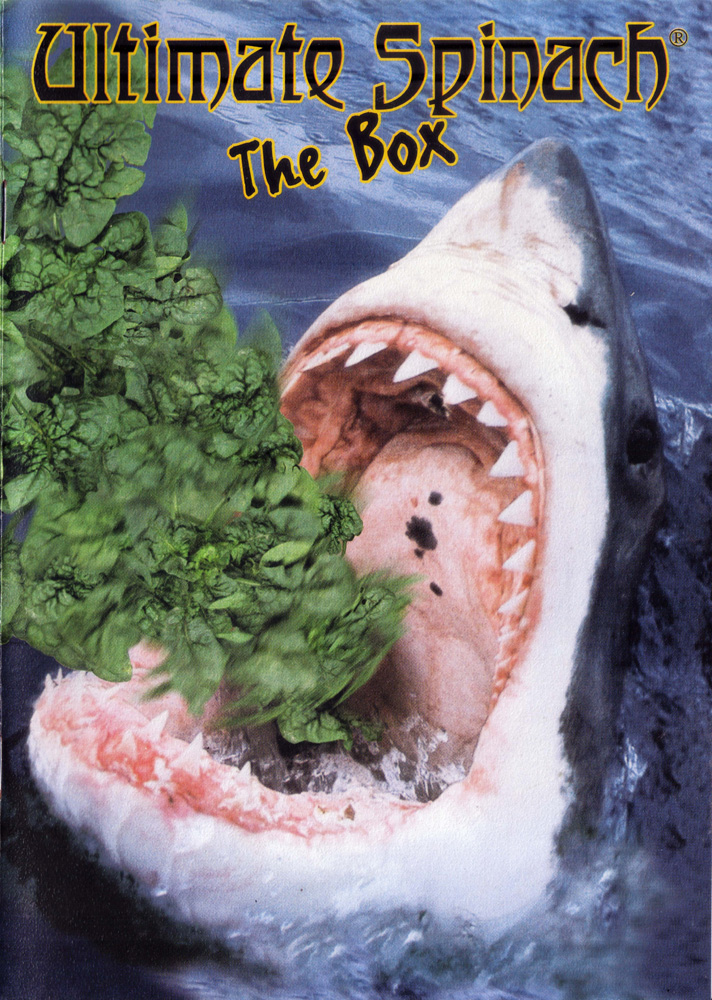
rep>>> Ultimate Spinach - The Box (1967-69 us, brilliand trippy acid psych rock, 2001 three disc box set)


Ultimate Spinach was one of the most well-known, and perhaps the most notorious, of the groups to be hyped as part of the "Bosstown Sound" in 1968. The name itself guaranteed attention, as one of the most ludicrous and heavy-handed "far out" monikers of the psychedelic era, even outdoing formidable competition such as the Peanut Butter Conspiracy. Although the group were competent musicians with streaks of imagination, their albums were generally poor third cousins to the West Coast psychedelic groups that served as their obvious inspirations.

Ultimate Spinach was produced by veteran arranger Alan Lorber, a main architect of the "Bosstown Sound." In September 1967, he announced a marketing plan in the top music trade papers to make Boston, in his own words (from his liner notes to Big Beat's reissue of Ultimate Spinach's first album), "a target city for the development of new artists from one geographical location." This automatically insured that Lorber and his groups would be the subject of some derision from the hip underground, since vital regional music scenes such as San Francisco psychedelia (which the Bosstown sound often seemed to be mimicking) have to happen on their own, rather than being manufactured. MGM was the label that released most of the Bosstown Sound groups, and it was through MGM that Lorber arranged to distribute two of the bands he produced, Orpheus and Ultimate Spinach.

On the first two of their three albums, Ultimate Spinach was utterly dominated by leader Ian Bruce-Douglas, who wrote all of the material, sang the majority of the lead vocals, and played a wide variety of instruments, most frequently electric keyboards. Their self-titled debut, released in 1967, was a seriously intended psychedelic stew, with inadvertent comically awkward results. Bruce-Douglas' songs tended to be either dippily, humorlessly cosmic, or colored by equally too-serious fingerpointing at mainstream society. 

The music aped the songwriting forms and guitar/keyboard textures of West Coast psychedelic stars the Doors, the Jefferson Airplane, and Country Joe & the Fish, but sounded like ham-handed pastiches. Bruce-Douglas created some sleek, weedy electric keyboard lines on tracks like "Sacrifice of the Moon," but was sometimes so imitative of Country Joe & the Fish's first album that he crossed the line into plagiarism, as on "Baroque #1," with its close similarities to Country Joe's "The Masked Marauder." There were more graceful touches in the occasional vocals by guitarist Barbara Hudson and a Baroque-classical tinge to some of the arrangements, and the album did actually sell fairly well.

Behold and See, also released in 1968, was similar to the debut album but a little more even-keeled. That wasn't all good news: there weren't any keyboard-dominated instrumentals to rival "Sacrifice of the Moon," Barbara Hudson didn't have any lead vocals (although guest vocalist Carol Lee Britt took some), and Bruce-Douglas' songwriting was still embarrassingly high-minded and pretentious. The mysterious Bruce-Douglas disbanded Ultimate Spinach after the second LP was recorded, leaving Lorber holding the bag, as a third Ultimate Spinach album had already been scheduled for release. 

An entirely different lineup was assembled for their third and last album, with only Barbara Hudson remaining from the one heard on the first LP. Also including Ted Myers (ex-Lost and Chamaeleon Church) and guitarist Jeff Baxter (later to play with Steely Dan and the Doobie Brothers), this version of Ultimate Spinach recorded III. The record was an undistinguished jumble of psychedelic, hard rock, and pop styles that sounded like the work of several different bands. 
by Richie Unterberger
Tracks
Disc 1 Ultimate Spinach 1967
1. Ego Trip - 3:12
2. Sacrifice Of The Moon (In Four Parts) - 3:45
3. Plastic Raincoats/Hung-Up Minds - 2:55
4. (Ballad Of The) Hip Death Goddess - 8:12
5. Your Head Is Reeling - 3:39
6. Dove In Hawk's Clothing - 3:53
7. Baroque #1 - 4:47
8. Funny Freak Parade - 2:34
9. Pamela - 3:10
10.Your Head Is Reeling (Mono Version) - 3:38
11.(Ballad Of The) Hip Death Goddess (Mono Version) - 8:18
All compositions by Ian Bruce Douglas
Disc 2 Behold And See 1968
1. Gilded Lamp Of The Universe - 3:04
2. Visions Of Your Reality - 5:50
3. Jazz Thing - 6:40
4. Mind Flowers - 9:38
5. Where You're At - 3:12
6. Suite: Genesis Of Beauty (In Four Parts) - 9:45
7. Fifth Horseman Of The Apocalypse - 5:58
8. Fragmentary March Of Green - 6:38
9. Mind Flowers (Mono Version) - 9:38
10.Fragmentry March Of Green (Mono Version) - 6:38
All selections by Ian Bruce Douglas
Disc 3 Ultimate Spinach III 1969
1. (Just Like) Romeo And Juliet (Richard "Popcorn" Wylie, Thelma Williams) - 2:34
2. Somedays You Just Can't Win (Ted Myers, Tony Scheuren) - 3:23
3. Daisy (Jeff Baxter) - 2:21
4. Sincere (Ted Myers) - 3:32
5. Eddie's Rush (Ultimate Spinach) - 6:52
6. Strange Life Tragicomedy (Ted Myers, Tony Scheuren) - 4:13
7. Reasons (Tony Scheuren) - 3:52
8. Happiness Child (Ted Myers) - 4:42
9. Back Door Blues (Ted Myers) - 2:56
10.The World Has Just Begun (Ted Myers, Tony Scheuren) - 3:20

The Ultimate Spinach
*Ian Bruce-Douglas - Vocals, Acoustic, Electric Guitars, 12-String Bass, Electric Piano, Organ, Keyboards, Sitar, Vibraphone (Disc 1 And 2)
*Barbara Jean Hudson - Acoustic, Electric Guitars, Vocals
*Keith Lahteinen - Drums, Percussion, Vocals (Disc 1)
*Richard Nese - Acoustic, Electric Bass, Feedback (Disc 1 And 2)
*Geoffrey Winthrop - Acoustic, Electric Guitars, Feedback, Acoustic, Electric Sitar, Vocals
*Ted Myers - Guitar, Vocals (Disc 1 And 3)
*Russell Levine - Drums, Percussion (Disc 2 And 3)
*Carol Lee Brit - Vocals (Disc 2)
*Mike Levine - Bass (Disc 3)
*Jeff Baxter – Lead, Bowed, Steel Guitars, Vibraphone, Vocals (Disc 3)
*Tony Scheuren - Organ, Piano, Acoustic Guitar, Vocals (Disc 3)

Free Text
Just Paste

Friday, January 9, 2026

rep>>> David Blue - Cupid's Arrow (1976 us, great blend of country bluesy smooth classic rock, 2006 reissue)


Singer/songwriter David Blue has tended to be well supported by talented studio musicians on his string of albums, of which this is the seventh in ten years. Here, he boasts a backup band as good as any he has used in the past: Jesse Ed Davis on lead guitar, producer Barry Goldberg on piano and organ, Auburn Burrell on pedal steel and rhythm guitar, Donald "Duck" Dunn of Booker T. & the MG's on bass, and Levon Helm of the Band (or Michael Baird) on drums, with David Lindley adding mandolin, slide guitar, and violin. 

The playing gives him more of a rock sound than he has used before, although the musicians are versatile enough to give the leadoff track, "Run, Run, Run," a lilting Southwestern/Mexican feel to go along with its lyrics about the Santa Ana winds and the lights of Santa Fe, and to negotiate a reggae rhythm on "Maria, Maria." More typical, however, is "Tom's Song," a sinuous rocker that recalls the Eagles' "One of These Nights." But as the musical content of Blue's records has become more accessible and accomplished, his songwriting has tended to take more of a backseat, and his monotonic singing has remained only adequate. Here, the songs have interesting lines as they tell their tales of love and loss, but they are not as effective on the whole as Blue's earlier work. 
by William Ruhlmann
Tracks
1. Run Run Run - 4:34
2. The Ballad Of Jennifer Lee - 4:23
3. Tom's Song - 4:11
4. I Feel Bad - 2:32
5. Cordelia - 4:34
6. Maria, Maria - 4:02
7. Cupid's Arrow - 4:11
8. Primeval Tune - 5:18
9. She's Got You - 4:47
All songs by David Blue

Musicians
*David Blue - Guitar, Vocals
*Michael Baird - Drums
*Pattie Brooks - Vocals
*Phyllis Brown - Vocals
*Auburn Burrell - Guitar
*Jesse Ed Davis - Guitar
*Donald "Duck" Dunn - Bass
*Barry Goldberg - Keyboards,
*Levon Helm - Drums
*David Lindley - Guitar, Mandolin, Slide Guitar, Violin
*Jackie Lomax - Vocals
*Bill Schwartz - Vocals

1965-66  David Blue - David Blue / Singer Songwriter Project (2001 remaster)
1968  David Blue ‎- These 23 Days In September (2007 reissue) 
1969  David Blue - Me, S. David Cohen (2007 edition)
1972  David Blue - Stories (2006 edition)
1973  David Blue - Nice Baby And The Angel (2006 issue)
1975  David Blue ‎- Com'n Back For More (2006 release)

Just Paste
Free Text
Text Host

Tuesday, January 6, 2026

Lighthouse - Lighthouse Live! (1972 canada, marvelous brass rock)


Been a fan of classic rock and prog for as long as you can remember, but never heard of the powerhouse band Lighthouse? Well, don't feel bad, as I'm sure that there are many folks who share your confusion. Lighthouse were a Canadian band who hit the scene in 1970 and scored a few hit singles, most notably "One Fine Morning" and "Just Wanna Be Your Friend", but historically they will probably be best remembered for their live performances. You see, Lighthouse generally went on stage with at least a dozen or so musicians, including a full horn & reed section, cellos, keyboards, guitar, bass, vibes, and drums. Picture early Chicago and Blood Sweat & Tears, but with more emphasis on hard rock, jazz, and classical song structures. Oh, and these guys could seriously jam!

This classic album was recorded February 2nd, 1972 at New York's Carnegie Hall, recently remastered by keyboard/vibes player Paul Hoffert. It remains an astounding piece of recorded musical history, showing a rock band throwing away all conventional wisdom and simply "going for it". Sure, Lighthouse could churn out some catchy hooks and melodies (the alluring "Just Wanna Be Your Friend", the psychedelic pop of "Old Man", and the soaring hit "One Fine Morning" are prime examples), but they really hit paydirt on extended romps and progressive tinged hard rock numbers.

 "You and Me" is a near 10-minute flight that starts off as a folky-psychedelic pop number, which slowly morphs into a rocking, Jethro Tull inspired flute fest, featuring the wispy blasts of Howard Shore and some ripping guitar work from Ralph Cole. In fact, Cole's incredibly funky riffs and blistering solos are all over hard rock pieces like "Take It Slow (Out in the Country)" and the crankin' "Rockin' Chair", and he really shines during an extended jaunt on the epic 18 minute re-working of the Byrds classic "Eight Miles High", one of the albums highlights that contains plenty of jamming and adventurous instrumental passages from the whole band. Drummer Skip Prokop really worked well with the large horn & reed section, as the tight arrangements on tunes like "1849" and "Insane" rival anything the already mentioned Chicago and BS&T were doing at the same time. The addition of cello, vibes, congas, tambourine, and percussion to the raging trumpets, trombone, sax, flute, guitar, bass, keyboards, and drums, really gave this band a huge big band sound, and it shows on each and every track here. Credit also needs to be given to the vocal skills of guitarist Cole, drummer Prokop, and members of the horn section Shore, Larry Smith, and Keith Jollimore-they all did a fine job on this evening.

Normally this would get a perfect score here, but I'm holding back a half point due to this reissue not having any commemorative photos from the show, or any live shots whatsoever. It's a shame as this release deserved the full treatment, but nontheless, the music is really what matters, and this is killer stuff from a long forgotten band. Grab this if you can, as it's amazing stuff. 
by Pete Pardo, July 24th 2007
Tracks
1. Concert Introduction - 0:35
2. Just Wanna Be Your Friend (Skip Prokop, Bob McBride) - 3:08
3. Take It Slow (Out In The Country) (Ralph Cole, Larry Smith, Keith Jollimore) - 3:21
4. Old Man (Larry Smith) - 7:44
5. Rockin' Chair (Ralph Cole, Skip Prokop) - 3:51
6. You And Me (Howard Shore) - 9:14
7. Sweet Lullabye (Skip Prokop) - 5:17
8. 1849 (Skip Prokop, Raplh Cole) - 6:48
9. Eight Miles High (Roger McGuinn, David Crosby, Gene Clark) - 18:09
10.Insane (Skip Prokop, Bob McBride) - 4:48
11.One Fine Morning (Skip Prokop) - 5:18

Lighthouse
*Skip Prokop - Drums, Percussion, Vocals
*Paul Hoffert - Keyboards, Vibes, Congas
*Ralph Cole - Guitars, Vocals
*Louis Yacknin - Bass
*Bob McBride - Vocals, Tambourine, Cowbell
*Don Di Novo - Electric Cello
*John Naslen - Trumpet
*Mike Malone - Trumpet
*Howard Shore - Tenor, Alto Sax, Flute, Vocals
*Larry Smith - Trombone, Mellophonium, Vocals
*Keith Jollimore - Bari Sax, Flute, Vocals
*Richard Armin - Electric Cello

Lighthouse